
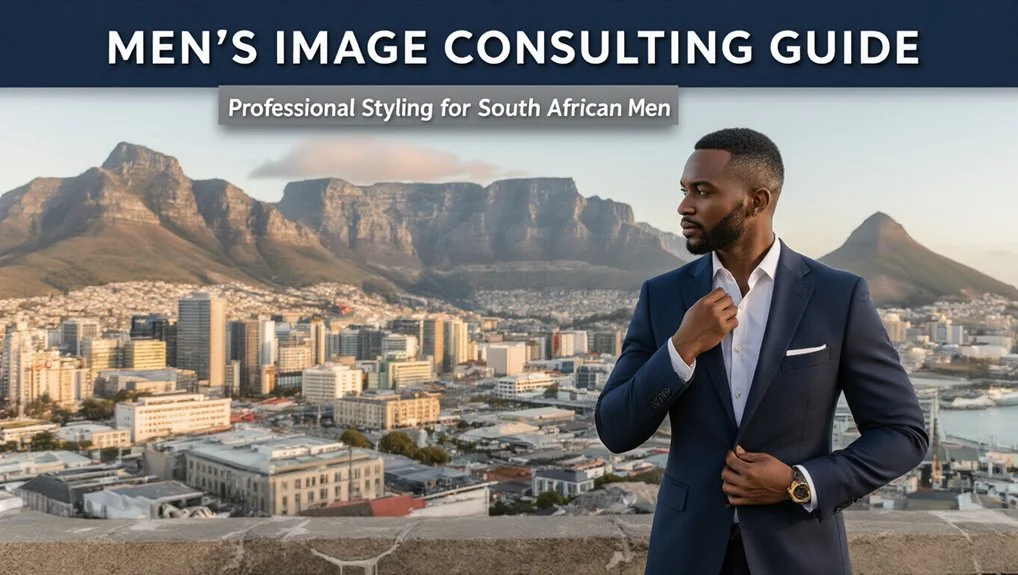
I’ve learnt that professional style in South Africa works best when it respects cultural identity while still meeting corporate expectations. You don’t need to strip away who you are to look polished in a boardroom. With the right approach, you can build a wardrobe that functions across business settings without losing your roots.
One of the easiest ways to achieve this balance is by incorporating traditional textiles into structured, modern pieces. Ankara blazers are a great example. These jackets showcase bold geometric patterns rooted in West African textile traditions, yet their tailored silhouettes keep them corporate-appropriate. Made from quality cotton, they hold their shape well and elevate even the simplest outfit.
Shweshwe is another fabric I often recommend. Although it originated in Germany, it has become deeply embedded in South African fashion culture. Its distinctive indigo-dyed patterns now appear in shirts and accessories that work comfortably within formal dress codes at major companies.
Using Colour to Balance Tradition and Professionalism
I always advise clients to use earth tones as a grounding base when mixing traditional pieces with business wear. Neutral shades such as khaki, cream, and brown allow patterned fabrics to stand out without overwhelming your look.
For example, khaki trousers pair beautifully with an Ankara blazer, softening the visual impact of bold prints. Terracotta or muted rust shirts complement Shweshwe accessories while keeping the overall outfit refined. When colour is balanced correctly, your clothing feels intentional rather than distracting. African men’s fashion showcases diverse regional styles that vary across different ethnic groups and geographic locations.
Adding Cultural Identity Through Accessories
Accessories are one of the most effective ways to express personality in conservative environments. I’ve seen how a single detail can completely change an outfit.
A pocket square made from traditional fabric adds subtle cultural reference during meetings or presentations. Cufflinks featuring African symbols work seamlessly with crisp white shirts. These small touches communicate pride and individuality without compromising professionalism.
Why Quality and Fit Matter More Than Labels
One thing I’ve learnt over the years is that quality construction always matters more than designer names. Before buying anything, you need to check seam strength, button attachment, and fabric weight. Natural fibres such as cotton and wool not only last longer but also breathe better in South Africa’s climate.
Fit is what truly transforms clothing. A jacket should sit cleanly across the shoulders. Sleeves should finish at the wrist bone, and trousers should rest neatly on your shoes without bunching. When clothes fit correctly, even simple pieces look sharp and confident.
In Summary: Building a Culturally Intelligent Business Wardrobe
I encourage you to start with versatile African fashion pieces that suit the business environment in South Africa. Ankara blazers offer visual impact while maintaining professional structure, making them ideal for ofices in Johannesburg, Cape Town, and Durban. Pair them with earth-toned basics like khaki trousers, cream shirts, and brown leather shoes to keep your look balanced.
Quality and tailoring will always outperform expensive labels. A well-fitted jacket from a local tailor in Woodstock, Cape Town, often looks far more polished than an ill-fitting international brand. Proper shoulder alignment and correct trouser length create instant credibility in meetings and presentations.
Cultural expression works best through thoughtful accessories. Pocket squares with geometric prints subtly reference African heritage, while beaded jewellery suits creative industries when kept understated. Areas like Braamfontein offer contemporary accessories that blend tradition with modern business style.
Fabric choice is also key. Cotton-linen blends work well in Durban’s humidity, while wool-silk mixes suit Cape Town’s variable weather. Comfortable clothing improves posture and confidence, especially during long networking days.
Building a Contemporary African Wardrobe Foundation

Building a Contemporary African Wardrobe Foundation starts with carefully selected fabrics and versatile pieces. South African fashion designers emphasise quality over quantity when creating capsule collections that honour cultural roots.
Building Wardrobe Versatility
I’ve learnt that true investment pieces need to work across multiple occasions and seasons. An Ankara blazer is a perfect example — you can wear it with jeans for casual Friday, with dress trousers for client meetings, or with traditional skirts for cultural events. This versatility increases cost per wear while allowing you to honour your heritage consistently.
Quality construction is what gives these foundation pieces longevity. I always encourage you to look beyond labels and focus on craftsmanship. South African brands such as Maxhosa Africa and Thabo Makhetha Couture are known for garments that withstand regular wear while maintaining their structure and colour vibrancy over time.
Mastering the Traditional-Modern Fusion in Professional Settings
Professional workplaces in South Africa are increasingly embracing authentic cultural expression. I’ve seen how this shift creates space for you to blend traditional African elements with corporate dress codes without compromising professionalism.
Strategic Cultural Integration in Corporate Attire
South African fashion industry research shows that employees feel more confident when they incorporate heritage pieces into their professional wardrobes. I’ve found that you achieve this balance best through thoughtful selection and careful placement of traditional elements, ensuring your look feels intentional, polished, and appropriate for your working environment.
| Cultural Piece | Corporate Match | Work Environment |
|---|---|---|
| Kente cloth pocket square | Navy business suit | Executive meetings |
| Ankara fabric necktie | Crisp white dress shirt | Client presentations |
| African print blazer jacket | Charcoal dress pants | Company networking events |
| Traditional metal cufflinks | Classic leather watch | Daily office interactions |
Climate-Conscious Fabric Choices
I’ve learnt that South Africa’s warm climate makes fabric choice especially important. breathable fabrics materials allow you to stay polished without discomfort. Cotton-based Ankara prints work well in air-conditioned offices, while lightweight Kente accessories help prevent overheating during long workdays. These natural fibres support a professional appearance while keeping you comfortable, which is essential in demanding South African corporate environments.
Workplace Integration Guidelines
I always recommend starting small when introducing cultural elements at work. You can begin with subtle accessories, such as a tie clip featuring a traditional pattern, which adds personality without overwhelming colleagues. As acceptance grows, you may feel confident introducing bolder pieces like printed blazers or cultural jewellery. Many companies across South Africa now offer flexible dress codes that balance individual expression with professional standards, allowing space for cultural authenticity.
Regional Fashion Industry Standards
From my experience, regional guidance plays a useful role in styling decisions. Cape Town fashion houses often suggest limiting bold prints to one statement piece per outfit. Johannesburg corporate consultants advise pairing bright traditional colours with neutral business basics. This approach respects cultural heritage while meeting professional expectations. The growing trend towards expressive, statement dressing in South Africa also reflects wider acceptance of confident style choices in professional settings. The current trend toward loud luxury in South Africa’s fashion scene indicates growing acceptance of bold statements in professional environments.
Building Professional Relationships Through Heritage
I’ve noticed that cultural accessories frequently spark positive conversations with colleagues and clients. These moments help you build stronger professional relationships while showcasing South Africa’s diversity. When used thoughtfully, traditional elements become natural networking tools that help you stand out in competitive business environments.
Maintaining Authenticity Without Compromise
I encourage you to choose pieces that genuinely reflect your specific cultural background rather than relying on generic African prints. This level of authenticity resonates more deeply with both traditional communities and modern corporate audiences. When your connection to these elements is real, their impact in professional settings becomes far more powerful.
Navigating Bold Trends and Statement Pieces for Business Success

Your success depends on balancing authenticity with how clients perceive you. I’ve found this approach works particularly well in South Africa’s corporate fashion landscape, where professionals navigate cultural diversity while still meeting established business standards.
I recommend asking trusted mentors for honest feedback on your style choices. From what I’ve observed at South African Fashion Week and in corporate environments, successful professionals thoughtfully blend traditional elements with modern trends. Whether your mentor works in Cape Town’s financial district or Johannesburg’s business hub, they understand local expectations and can guide you realistically.
Consistency is essential across different professional settings. I’ve learnt that a business meeting in Sandton City often calls for a different approach than a client dinner at the V&A Waterfront, yet your overall style identity should remain recognisable. When your fashion choices follow clear patterns, people remember you more easily.
Fit matters far more than brand names. I often use Woolworths as an example, as the retailer has built its reputation on quality basics that fit well. This reinforces what I see repeatedly: proper tailoring almost always outperforms expensive labels. A well-fitted shirt from a local designer will look sharper than a poorly fitting luxury item.
Fabric quality also plays a major role in South Africa’s varied climate. I advise choosing materials that perform well across regions, as Durban’s humidity places different demands on clothing than Cape Town’s wind. When fabrics maintain their structure and appearance over time, your wardrobe investment truly pays off.
Confidence directly affects how others respond to your style. South African business culture values self-assurance, and when you feel comfortable in what you’re wearing, it shows. I’ve noticed improved posture, clearer communication, and stronger presence when clothing supports rather than distracts from you.
Bold choices work best when you understand your audience. I’ve seen how styling for environments like the South African Reserve Bank differs significantly from creative agencies in Woodstock. Context shapes perception, and your statement pieces succeed when they align with the setting.
I always suggest testing new looks gradually. Start with subtle updates before making more dramatic changes. South African fashion consultants consistently emphasise that incremental evolution is easier for colleagues to accept than sudden transformation.
Finally, I encourage you to document what works for your body type and professional environments. Keep notes on successful combinations and the feedback you receive. This helps you repeat what works while avoiding past mistakes, making your style strategy more efficient over time.
Building Your Signature Look With South African Cultural Elements and Sustainable Fashion Choices
I’ve learnt that professional styling becomes far more powerful when you combine South African cultural heritage with sustainable fashion practices. This approach allows you to build an authentic personal brand while supporting local artisan communities nationwide.
Traditional Elements That Work in Modern Wardrobes
South African fashion heritage offers rich possibilities for contemporary professional dressing. I often suggest beaded necklaces inspired by Zulu traditions as distinctive yet refined accessories for boardroom settings. Shweshwe fabric — the iconic indigo-printed cotton textile that, while originally from Germany, has become deeply rooted in South African culture — works particularly well for casual Friday shirts.
Traditional prints also bring personality to formal wear when used thoughtfully. Ndebele geometric patterns translate beautifully into tie designs, while Xhosa embroidery techniques can be incorporated into subtle cuff details. These elements carry cultural meaning related to age and social standing, adding depth and intention to your professional appearance. These clothing elements reflect age and social standing in African cultures, adding depth to your professional presentation.
| Cultural Component | Professional Application |
|---|---|
| Zulu beadwork | Statement necklaces for presentations |
| Shweshwe cotton | Button-down shirts for relaxed meetings |
| Sotho blanket patterns | Pocket squares for formal events |
| Ndebele geometry | Custom tie designs |
| Xhosa needlework | Shirt cuff embellishments |
Sustainable Fabric Selection That Honours Tradition
When I guide clients towards sustainable choices, I always explain that eco-friendly fabrics honour both the environment and cultural values. Choosing organic cotton sourced from South African farms reduces environmental impact while supporting local agriculture. I’ve also seen how recycled textile options from local manufacturers align beautifully with circular economy principles.
Designers such as Maxhosa Africa and Laduma Ngxokolo demonstrate how traditional Xhosa beadwork patterns translate seamlessly into contemporary fashion. I’ve learnt that cultural elements don’t dilute modern style — they elevate it. The growing focus on sustainability mirrors long-standing African values of resourcefulness, respect for materials, and mindful consumption. The rise of sustainable fashion practices aligns perfectly with traditional African values of resourcefulness and respect for materials.
Styling Techniques for Cultural Integration
I recommend layering traditional accessories with classic business attire for immediate impact. One carefully chosen beadwork piece can transform an entire outfit. If you’re new to this, start with a single cultural element per look and build from there.
Mixing textures thoughtfully is key. Smooth cotton shirts work beautifully with textured beadwork, while silk ties balance rough-woven traditional fabrics. I’ve found that contrast creates harmony, while too many statement textures can overwhelm your overall appearance.
Supporting Local Artisan Communities
When you purchase authentic pieces, you directly support South African artisans and their communities. I often suggest exploring places like Greenmarket Square in Cape Town or Neighbourgoods Market in Johannesburg, where buyers connect directly with makers. Online platforms such as Ubuntu Baba and African Art Centre also offer verified, authentic pieces.
Before buying, I encourage you to research the artisan’s background. Genuine sellers share the story, techniques, and community behind each item. This knowledge deepens your connection to what you wear and reflects the Ubuntu principle, which strongly influences South African values of community support and shared responsibility.
Building Your Personal Brand Through Cultural Expression
Your wardrobe communicates your values long before you speak. When you incorporate cultural elements thoughtfully, you signal respect for heritage and commitment to local economies. I’ve noticed that colleagues and clients remember professionals who dress with intention and authenticity.
I suggest documenting your favourite combinations. Take photos of outfits that work well and note which pieces receive positive feedback. This makes it easier to repeat successful looks with confidence.
Seasonal Adaptation Strategies
Summer styling works best with lighter traditional fabrics. Linen shirts with subtle beadwork keep you cool while maintaining cultural connection. In winter, heavier traditional blanket patterns translate well into scarves and accessories.
I advise adapting colour palettes seasonally while staying true to cultural authenticity. Earth tones work year-round in professional South African settings, while brighter traditional colours suit summer months and more creative industries.
Long-Term Wardrobe Development
I always recommend building your wardrobe gradually. Well-made traditional pieces can last decades when cared for properly. Focus on versatile items that adapt across multiple professional environments.
Proper storage also matters. Cotton textiles need breathable storage, while beadwork requires gentle handling to prevent damage. When you care for these items correctly, you preserve both their appearance and their cultural significance.
Over time, your signature style emerges through consistent, intentional choices. Each carefully selected piece contributes to a cohesive professional image that honours South African heritage while meeting modern workplace expectations.
Answers to Your Questions
How Much Should I Budget for Professional Image Consulting Services?
In my experience, professional image consulting services in South Africa typically range from R500 to R2,500 per hour, depending on the consultant’s expertise and location. These rates reflect current market standards in major cities such as Johannesburg, Cape Town, and Durban.
I’ve learnt that most image consultants offer structured packages rather than single sessions. Basic wardrobe assessments usually start at around R5,000, while complete image or style transformations can reach R20,000 or more. The final cost depends on what you need and the level of service.
Style consultations often focus on colour analysis and body shape guidance. Wardrobe audits involve reviewing what you already own, while personal shopping sessions include sourcing new pieces that support your professional goals.
You’ll generally find higher rates in metropolitan areas, especially from consultants with recognised fashion or image credentials. Stylists with industry certification, international training, or celebrity experience often charge at the upper end of the scale.
When planning your budget, I recommend factoring in time. A single consultation usually lasts between two and four hours, while complete makeover packages may span several sessions over a few weeks. Shopping sessions also require a separate clothing budget.
Corporate and executive clients often invest more, particularly when appearance plays a role in leadership, public speaking, or media exposure. From what I’ve seen, professionals who regularly meet clients or present publicly benefit most from a polished, consistent image.
Location also affects cost. Home visits usually cost more than studio sessions, and shopping at premium malls increases overall spend. Some consultants partner with department stores, which can reduce personal shopping fees.
If you’re looking for value, package deals usually offer better returns than booking individual sessions. Multi-session plans often include wardrobe planning and seasonal updates, while annual retainers provide ongoing support at reduced hourly rates.
I always encourage clients to think about return on investment. Improving your professional appearance boosts confidence, makes networking easier, and helps you show up more assuredly in interviews and meetings.
Finally, I suggest budgeting around 30% extra above consulting fees for new clothing purchases. Quality items cost more upfront but last longer, especially when you’re building a capsule wardrobe strategically.
Where Can I Find Authentic African Print Fabrics in Major Cities?
You can find genuine African print fabrics in all of South Africa’s major cities if you know where to look. I’ve discovered that Johannesburg offers the widest selection, particularly through markets and textile districts in the CBD and areas like Fordsburg.
Cape Town has excellent specialist fabric stores, especially around the city centre and fashion districts. Many boutiques curate authentic African prints for both designers and individual buyers.
Durban benefits from its port connections, giving access to both imported African prints and locally produced textiles. Markets such as Warwick Junction offer authentic fabrics at competitive prices.
Traditional markets remain the most reliable source. I’ve noticed that vendors there often understand fabric origins and can explain cultural meanings behind specific prints.
Online retailers also make sourcing easier. Platforms like Afrika Warehouse deliver authentic African fabrics nationwide and help bridge the gap for buyers outside major cities.
What Grooming Standards Complement South African Professional Men’s Fashion?
In South Africa, grooming plays a significant role in professional presentation. I usually advise getting regular haircuts every three to four weeks, choosing styles that suit your face shape and workplace culture.
Facial hair needs consistent care. Clean-shaven looks work well in conservative environments, while beards require daily trimming and proper products. Whatever you choose, neatness matters.
Skincare is essential in South Africa due to intense sun exposure. I recommend daily sunscreen (SPF 30 or higher) and moisturising morning and evening, especially in dry or coastal climates.
Fragrance should be subtle. Apply sparingly and opt for fresh, clean scents rather than heavy ones. Many professionals prefer citrus or light woody notes that suit warmer conditions.
Footwear maintenance is often overlooked, but it makes a strong impression: polished shoes, clean soles, and well-maintained leather signal attention to detail.
Ultimately, consistent grooming shows respect for colleagues and clients. I’ve seen how these details build credibility across industries, from finance and law to creative and tech sectors.
How Do I Care for Traditional African Fabrics and Prints?
Traditional African fabrics require specific care to preserve colour and structure. I always recommend washing most cotton-based prints in cold water at 30 °C or below.
Wax prints and Ankara fabrics benefit from gentle handling. Hand washing is best, as hot water can melt the wax elements and damage patterns.
Some fabrics, such as Kente cloth, should be dry-cleaned due to their intricate weaving. Others, such as mud cloth or Adinkra prints, need minimal washing to preserve natural dyes.
Storage matters just as much as washing. I advise using breathable cotton bags rather than plastic, which traps moisture and causes mildew.
When ironing, place a cloth between the iron and fabric and press on the reverse side using medium heat.
If in doubt, professional fabric care services in South Africa understand heritage textiles and can clean them safely.
Which Local Designers Specialise in Contemporary African Menswear?
South Africa has exceptional designers creating contemporary African menswear. Designers such as Rich Mnisi, Thebe Magugu, and Laduma Ngxokolo (MaXhosa) blend cultural storytelling with modern tailoring.
I admire how these designers adapt traditional patterns for everyday professional wardrobes. Their work proves that heritage and modern style don’t compete — they complement each other.
You’ll find their collections in select boutiques, online platforms, and at South African Fashion Week, representing a growing movement that celebrates African identity through modern design.
The Bottom Line
You now have the tools to build a professional wardrobe that reflects your South African identity while meeting modern business standards. I’ve learnt that understanding climate, industry expectations, and cultural context makes all the difference.
Your clothing speaks before you do. Well-fitted garments, thoughtful accessories, and quality fabrics create confidence and credibility. When you dress with intention, you open doors professionally while honouring your heritage.

Kerry Leigh Wilson is a professional Image Consultant and the founder of New Look Image Consultancy. As the creator of the proprietary “Style Secrets” methodology, Kerry bridges the gap between Personal Branding and Color Science. Her approach is rooted in Genetic Balance, a data-driven framework that artfully blends Colour Theory with Anthropometry (the study of human body measurements) to achieve total visual harmony.
By analysing an individual’s phenotypic traits—including skin undertones, hair pigmentation, and eye colour—Kerry aligns natural aesthetics with Skeletal Silhouettes and body geometry. This innovative method moves beyond traditional styling, utilising Seasonal Colour Analysis and mathematical formulas to optimise an individual’s unique physical lines.
Based in South Africa, Kerry serves a local and global clientele through interactive technology and digital consultations. She maintains an active presence across major South African hubs, travelling between Cape Town, Port Elizabeth (Gqeberha), and Johannesburg to conduct in-person assessments, empowering clients to enhance their personal aesthetics through the intersection of science and art.