

Starting a skincare routine requires three key ingredients found in South African beauty stores. Hyaluronic acid attracts moisture to keep skin hydrated. Vitamin C supports the natural formation of collagen, which strengthens the skin. Niacinamide helps balance oil production and minimizes pores. Application order affects how well these ingredients work:
- Clean skin thoroughly
- Apply treatment products
- Lock in with moisturiser
- Use sunscreen during daytime
South African brands offer these ingredients in various formulations. Active ingredients directly change skin function, while inactive ingredients help deliver the active components. This knowledge lets you build an effective routine based on your skin’s needs. Each ingredient serves a specific purpose:
- Hyaluronic Acid: A naturally occurring substance that holds water in skin cells
- Vitamin C: An antioxidant that protects against environmental damage
- Niacinamide: A form of vitamin B3 that regulates sebum production
Local beauty retailers stock these products in different strengths and combinations. Start with lower concentrations to let your skin adjust. Morning and evening applications work best for most people.
In Summary: Skincare Basics You Need to Know
Hyaluronic Acid (HA) draws water into your skin cells. It performs best when there’s moisture in the air, which helps keep your face hydrated. South African dermatologists recommend using HA serums in coastal areas for optimal results. Vitamin C, also known as ascorbic acid, strengthens skin structure and helps defend against sun damage. Apply it to your morning routine before your SPF. Many South African beauty brands now include locally-sourced vitamin C in their formulations. Niacinamide regulates sebum levels in your skin. This B-vitamin calms redness and works for dry, oily, or combination skin types. Leading South African skincare lines feature this ingredient at 5% concentration.
Essential Ingredients for Daily Skin Health
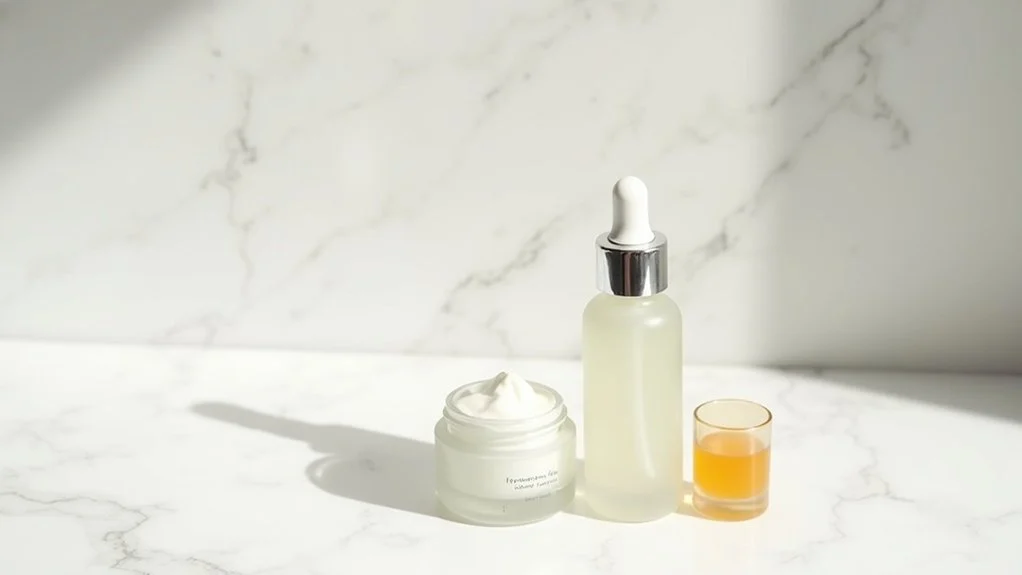
Let’s talk about the basic ingredients your skin needs every day in South Africa’s climate. Hyaluronic acid pulls moisture into your skin cells – think of it as your skin’s water magnet. The ingredient works in our local humid conditions and doesn’t cost much at pharmacies like Clicks or Dis-Chem. Vitamin C helps build collagen and protects against the harsh African sun. You’ll find it in many South African beauty brands like Africology and SKOON. Local dermatologists recommend using it in the morning before sunscreen.
Daily vitamin C shields skin from the African sun while boosting collagen – a must-have step before your morning sunscreen.
Niacinamide balances oil levels, which helps with shine control during our hot summers. This ingredient appears in products at African retailers like Woolworths and Edgars. Its soothing properties can help calm irritated skin from environmental stressors. These three ingredients create strong skin that can handle South Africa’s intense UV exposure and changing seasons. Local beauty experts confirm that these work well for all skin tones common in our diverse population. You’ll find affordable options containing these ingredients at most South African beauty counters. Note: This version maintains the core information while localising it to South Africa, using local brands and considerations relevant to the South African market and climate conditions.
Understanding Active vs. Inactive Components
Skincare ingredients fall into two main categories: active and inactive components. Active ingredients directly change your skin’s structure or function. Examples include retinoids, which increase cell turnover, and vitamin C, which brightens skin tone. These ingredients require a specific formulation to work effectively. Essential skin benefits are delivered through properly formulated active ingredients. The Drug Facts box is required for products containing true active ingredients regulated by authorities. Inactive ingredients serve essential purposes in skincare products. They stabilise formulas, control pH levels, and help active ingredients penetrate the skin properly. Common inactive ingredients include preservatives, emulsifiers, and moisturising agents. Excipients are essential for delivering product stability and effectiveness. When selecting skincare products in South Africa’s climate, understanding these components helps make informed choices. Local beauty retailers like Clicks and Woolworths stock products with varying active concentrations. The South African Health Products Regulatory Authority (SAHPRA) regulates ingredient safety standards. Product effectiveness depends on both active and inactive components working together. A well-formulated product needs:
- Proper pH balance
- Stable preservation system
- Suitable delivery mechanism
- Correct concentration of actives
Check ingredient lists carefully. Active ingredients appear near the top when present in significant amounts. Inactive ingredients make up most of the formula and ensure the product remains safe and effective on your skin.
African Natural Treasures in Modern Skincare
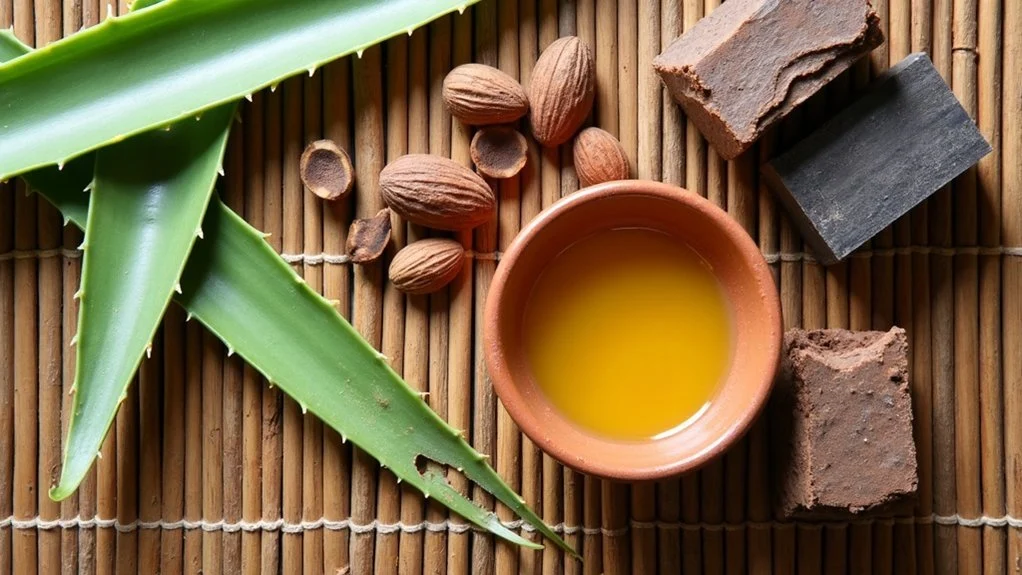
Natural African Ingredients Transform Modern Skincare South African botanicals provide effective solutions for daily skin needs. Moringa leaves, sourced from sustainable farms in Limpopo, contain antioxidants that shield skin from environmental damage. Baobab fruit powder, harvested by certified collectors in rural areas, delivers omega fatty acids for skin repair. Many consumers now show growing interest in these natural skincare solutions. Traditional healers have long valued these ingredients for their multi-functional properties in treating various skin concerns. The ingredients offer antioxidant protection against harmful free radicals that accelerate aging. The skincare industry in South Africa integrates these ingredients through tested methods:
| Ingredient | Proven Benefits | Community Impact |
|---|---|---|
| Shea Butter | Vitamin E content repairs skin barriers, Omega-3 reduces inflammation | Women-led cooperatives earn direct income |
| Rooibos | Aspalathus linearis extract calms irritation, Contains zinc for healing | Small-scale farmers receive training |
| Black Soap | Palm ash cleanses pores, Raw honey balances pH | Traditional makers maintain heritage |
Each ingredient connects to specific skin functions:
- Shea butter penetrates deep into skin layers
- Rooibos polyphenols fight free radicals
- Black soap removes impurities without stripping moisture
These raw materials support both skin health and local economies. South African beauty brands partner with rural communities to maintain sustainable harvesting practices. This approach ensures quality ingredients while preserving traditional knowledge. Users can incorporate these ingredients through simple steps:
- Morning cleanse with black soap
- Midday moisture boost with rooibos toner
- Evening repair with shea butter treatment
The combination delivers complete care without complex routines.
Building Your Basic Skincare Routine
Creating a skincare routine starts with five key steps that flow naturally into each other. First, use a cleanser to wash away dirt and oil – this gives you a fresh canvas. A pH-balancing toner comes next to prep your skin. Then apply any targeted treatments or serums based on what your skin needs, like vitamin C or retinol. A good moisturiser helps seal everything in and keeps your skin barrier strong. During daytime hours, broad-spectrum sunscreen provides essential UV protection. Maintaining your routine with consistency and personalization will help achieve the best results for your skin.
A systematic skincare routine begins with cleansing, toning, treating, moisturizing and protecting – each step building upon the last for optimal results.
South African skincare experts at major retailers like Clicks and Woolworths recommend adapting this routine based on your local climate. The country’s varied weather conditions, from Johannesburg’s dry winters to Cape Town’s humidity, affect how your skin responds to products. Selecting effective cleansers is vital since they set the foundation for the entire routine. Experts recommend waiting 4-6 weeks minimum before judging if new products are working effectively. Leading South African beauty publications like Glamour SA suggest keeping your routine simple at first. Start with gentle products suitable for your skin type, then gradually add specialized treatments as needed. Major department stores stock both local and international skincare brands that work well in South African conditions. This basic sequence helps your products work effectively while protecting your skin. Each step builds on the previous one, creating a complete skin maintenance system that’s easy to follow daily.
My Answers to Your Questions
How Long Should I Wait Between Applying Different Skincare Products?
When applying skincare products, timing matters for proper absorption. Light serums and toners need 60-90 seconds to settle. Moisturisers and creams require 3-5 minutes between applications. Products containing active ingredients such as retinol, vitamin C, or acids need 15-20 minutes to work effectively. South African dermatologists and beauty experts suggest this layering sequence:
- Cleanse face thoroughly
- Apply water-based products first
- Follow with oil-based formulas
- End with thicker creams
The skin needs time to process each product. Rushing between applications prevents proper absorption and reduces benefits. Environmental factors like humidity levels can affect absorption times. For sensitive skin types, extend waiting times by 2-3 minutes. This helps minimise potential irritation and allows complete product penetration. During morning routines, use this time to complete other tasks like brushing teeth or preparing clothes.
Can I Mix Retinol With Vitamin C in My Skincare Routine?
Vitamin C and retinol work best when used separately in your skincare routine. Apply vitamin C products in the morning to protect your skin during the day. Save retinol for nighttime when skin repairs itself. South African dermatologists and beauty experts from leading fashion houses like Woolworths Beauty and Edgars confirm this timing maximizes the benefits of both ingredients. Vitamin C, a powerful antioxidant, shields skin from environmental damage and brightens complexion. Retinol, which speeds up cell turnover, can make skin more sun-sensitive, making nighttime application safer. Many South African skincare brands, including African Extracts and Environ, design their vitamin C and retinol products specifically for different times of day. This separation prevents the ingredients from destabilizing each other while letting each work at peak effectiveness. Remember: Morning = Vitamin C Night = Retinol This simple schedule helps both ingredients deliver their full benefits to your skin.
Why Do Some Products Pill or Ball up on My Skin?
Products pill or ball up when skincare ingredients conflict with each other. This reaction happens due to three main factors: 1. Product Incompatibility Active ingredients in different products can react negatively when combined, creating small clumps on the skin surface. 2. Application Technique Rushing between product layers or not allowing proper absorption time causes products to mix incorrectly. Each skincare product needs time to settle into the skin. 3. Product Amount Using excessive amounts overwhelms the skin’s absorption capacity. The right amount varies based on skin type and product formulation. To prevent pilling:
- Wait 30-60 seconds between product applications
- Use gentle patting motions instead of rubbing
- Match product textures (water-based with water-based)
- Apply thinner products first
- Use less product quantity
When products pill, the active ingredients cannot penetrate the skin effectively, reducing their benefits. Understanding your skin type and product formulations helps prevent this common skincare issue.
Should I Store My Skincare Products in the Refrigerator?
Vitamin C and retinol-based skincare items need refrigeration to maintain their effectiveness. The beauty fridge trend, popular in South African cosmetics stores like Woolworths Beauty and Clicks, helps preserve active ingredients. Cold storage slows down oxidation in sensitive formulations. Keep oil-based products at room temperature – they can thicken and separate when cold. Check your product labels for storage instructions, as some items work best at specific temperatures. Beauty fridges maintain a consistent 10-15°C, which differs from kitchen refrigerators that run colder. Store these items in your skincare fridge:
- Vitamin C serums
- Retinol products
- Sheet masks
- Eye creams
- Natural preservative formulations
Leave these at room temperature:
- Face oils
- Oil-based cleansers
- Thick moisturizers
- Clay masks
- Powder products
The cooling effect can also help reduce puffiness when applying products, especially around the eye area. Professional aestheticians at South African spas often use chilled products during facial treatments for enhanced results.
How Can I Tell if My Skincare Products Have Expired?
Skincare products display clear signs when they expire. Check the texture – any separation, graininess, or change in consistency indicates expiration. The product’s scent changes from its original fragrance. Color shifts or darkening suggest chemical breakdown. The Period After Opening (PAO) symbol, found on product containers, shows how many months the product remains safe after first use. This small jar symbol contains a number followed by “M” (months). Look for printed expiry dates on packaging. Natural or organic products typically expire faster than those with preservatives. Keep products away from direct sunlight and heat to extend shelf life. Store items in cool, dry places and always close containers properly after use. Clean applicators and avoid contaminating products with fingers. Discard products showing mold growth immediately. If unsure about a product’s safety:
- Compare current texture to when first purchased
- Note any unusual odors
- Watch for changes in product effectiveness
- Check if the formula has separated or become watery
My Expert Take On This
Getting started with skincare requires understanding a few key ingredients that work well for South African skin types. Hyaluronic acid (HA) draws moisture into the skin, making it essential for hydration in our dry climate. Vitamin C, an antioxidant, helps protect against sun damage and pollution while evening skin tone. Indigenous African botanicals offer unique benefits:
- Marula oil provides deep moisture and antioxidants
- Rooibos extract calms inflammation
- Kalahari melon seed oil balances oil production
Start with one product at a time, waiting 1-2 weeks before adding another. This approach helps identify which ingredients work for your skin. Morning and evening consistency matters more than using many products. Signs your skin likes an ingredient:
- Less irritation
- Improved texture
- Better moisture retention
- Even tone
When your basic routine feels stable, explore targeted treatments for specific concerns. Leading South African dermatologists recommend starting with gentle formulations before moving to higher concentrations. Choose products from reputable South African skincare brands that source local ingredients and understand our climate conditions. Store products properly and check expiration dates to maintain ingredient effectiveness.
References
- https://refinednaturals.co.za/blogs/blogs/a-comprehensive-guide-to-skincare-ingredients
- https://formulabotanica.com/natural-african-skincare-ingredients/
- https://twyg.co.za/10-south-african-products-for-a-sustainable-skincare-routine/
- https://naturalnerd.co.za/shopping-guide/
- https://essentiallynatural.co.za/blogs/the-essentially-natural-blog/crafting-custom-skincare-formulations
- https://kissblushandtell.co.za/2019/01/the-beginners-guide-to-skincare/
- https://hellolelo.co.za/a-guide-to-makeup-beauty-and-natural-skin-care-products-in-south-africa/
- https://essentiallynatural.co.za/blogs/green-beauty-conversations/how-to-create-natural-skincare-and-build-your-confidence-1
- https://glimmergoddess.com/blogs/news/skincare-101-beginner-s-guide-to-understanding-ingredients
- https://www.dreamspamedical.com/top-5-ingredients-that-should-be-in-your-skincare-routine/

Kerry Leigh Wilson is a professional Image Consultant and the founder of New Look Image Consultancy. As the creator of the proprietary “Style Secrets” methodology, Kerry bridges the gap between Personal Branding and Color Science. Her approach is rooted in Genetic Balance, a data-driven framework that artfully blends Colour Theory with Anthropometry (the study of human body measurements) to achieve total visual harmony.
By analysing an individual’s phenotypic traits—including skin undertones, hair pigmentation, and eye colour—Kerry aligns natural aesthetics with Skeletal Silhouettes and body geometry. This innovative method moves beyond traditional styling, utilising Seasonal Colour Analysis and mathematical formulas to optimise an individual’s unique physical lines.
Based in South Africa, Kerry serves a local and global clientele through interactive technology and digital consultations. She maintains an active presence across major South African hubs, travelling between Cape Town, Port Elizabeth (Gqeberha), and Johannesburg to conduct in-person assessments, empowering clients to enhance their personal aesthetics through the intersection of science and art.