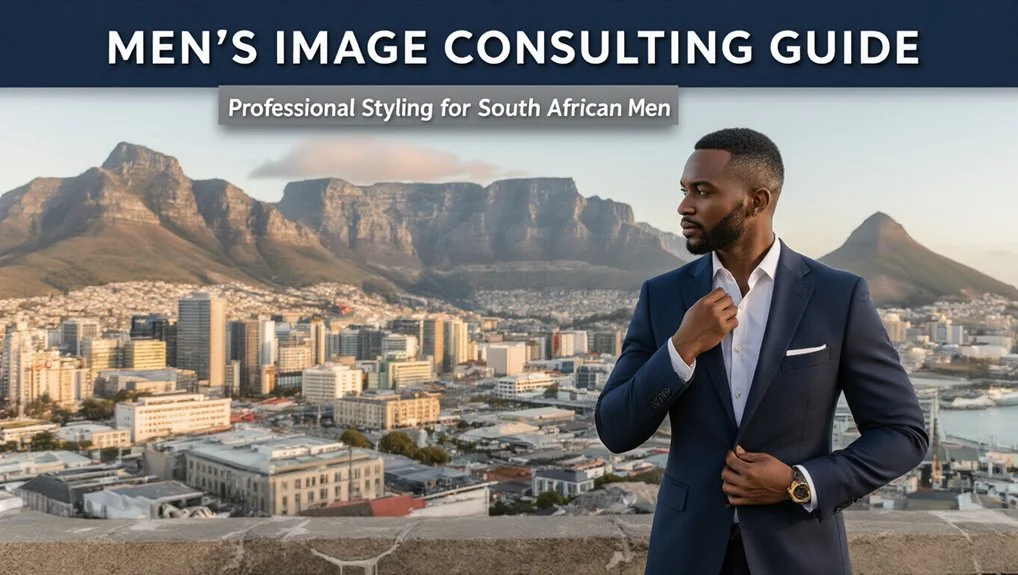

South African leaders know how to make a statement through their clothing choices. By mixing traditional elements with modern business wear, they create a unique style that commands attention.
You’ll spot beautiful Shweshwe fabrics and bold Ndebele patterns worked into sharp suits and professional outfits. It’s fascinating to see how beaded accessories and cultural designs blend perfectly with contemporary fashion.
This mix of old and new isn’t just about looking good – it sends a clear message about identity and influence. Many leaders choose specific patterns or traditional pieces that tell a story about their heritage.
When you see a leader wearing both cultural elements and modern business wear, they’re showing respect for tradition while stepping confidently into the future.
Think of it as wearing your values and your vision at the same time. A beaded bracelet with a tailored jacket, or a traditional pattern on a modern cut – these choices help leaders connect with people while maintaining their professional image.
It’s a clever way to show strength and cultural pride in one powerful look.
Summary You Need To Know
South African leaders know how to make a statement with their clothes. They mix their rich cultural heritage with modern suits and dresses to stand out and connect with people.
Mandela really started this trend. His iconic shirts weren’t just stylish – they helped bring people together during tough times. He showed how clothes could build bridges between different communities.
The Evolution of Power Dressing in South African Leadership
Fashion has become a powerful tool in South African politics, with leaders using their clothing to connect with people and share their message. Nelson Mandela knew exactly how to use his wardrobe – one day he’d wear a sharp suit, the next day traditional Xhosa clothing, helping him reach out to different groups across the country. Modern power dressing has evolved to become more inclusive of all styles and cultural expressions. Studies show that these thoughtful wardrobe choices significantly impact how leaders are perceived, with appropriate attire leading to enhanced credibility among constituents.
Looking at recent leaders, each one has their own unique style. Thabo Mbeki stuck to smart Western suits, showing his global mindset. Jacob Zuma often chose traditional Zulu outfits, highlighting his cultural roots.
It’s fascinating to see how clothing choices in South African politics have changed over time. What leaders wear tells us a lot about who they are and what they believe in. From formal suits to traditional dress, every outfit sends a message about their values and who they want to connect with.
Through careful clothing choices, South African politicians create their own unique brand. They mix traditional and modern styles to build trust and show both their cultural pride and their vision for the future. Their outfits aren’t just clothes – they’re powerful statements about leadership and identity in South African politics.
Cultural Symbolism in South African Political Fashion
Fashion has been a powerful way for South Africans to show their political views and cultural pride. People often wear special fabrics with Nelson Mandela’s face to feel connected during important changes in their country. Modern retailers struggle to provide culturally-authentic clothing for everyday wear.
Think of South African fabrics like landmarks that tell stories. The famous shweshwe prints started during colonial times but grew into symbols of standing up against unfair rules. These patterns mean as much to South Africans as famous buildings do in other parts of the world. Designers like Lukhanyo Mdingi and MaXhosa explore these rich cultural traditions through their modern interpretations. Just as colonized societies used fashion to resist oppression, South African clothing became a tool of resistance.
Today’s political figures mix old and new styles in their outfits – it’s not just about looking good. When they combine traditional African designs with modern clothes, they’re showing leadership while staying true to their roots. It helps bring people together and shows pride in South African culture.
Modern South African Leaders and Their Signature Styles

South African leaders have a unique way of dressing that tells their story. They mix business clothes with cultural touches – it’s pretty amazing to see how they pull it off. Think sleek suits in classic shades like navy and charcoal, but with personal touches that show their roots. Like the iconic style of Lady Gaga and Rihanna, modern African leaders often incorporate bold shoulders to command attention.
It’s smart fashion that does double duty – professional yet deeply meaningful.
The way they dress helps them connect with everyone – from village elders to international CEOs. This style mix shows respect for South Africa’s rich heritage while stepping confidently into the future. It’s like they’re saying “we can be part of the global community while staying true to ourselves.”
How Traditional Elements Shape Contemporary Power Dressing
South African fashion tells powerful stories through its traditional elements in today’s business wear. Blending cultural pieces into modern office outfits creates an authentic leadership style that goes beyond typical corporate looks.
Think of how a beaded Xhosa necklace can transform a simple blazer into something meaningful. Or the way Ndebele patterns add bold character to a tailored suit. Many professionals now adapt Zulu head wraps into sophisticated workplace accessories that command attention and respect.
These cultural elements do more than just look good – they speak volumes about identity and authority. By wearing them thoughtfully in professional settings, you tap into generations of symbolic meaning while staying current. It’s like having a silent conversation through your clothes, where traditional wisdom meets modern confidence. The careful selection of age and status indicators through clothing choices remains deeply rooted in African cultural practices. The Tsonga people demonstrate this through their vibrant colors in contemporary adaptations of traditional dress. The growing academic interest in African dress has created lively discussions about power and identity in professional settings.
Smart choices in cultural fashion elements can boost your presence in the boardroom. A subtle pattern here, a traditional accent there – these touches help you stand out while staying true to your roots. They show that power dressing isn’t just about following western business codes, but about bringing your whole self to work.
People Also Search For
How Much Do South African Leaders Typically Spend on Their Wardrobes Annually?
South African leaders typically spend well above R5,000 yearly on their wardrobes. While the exact amounts aren’t public knowledge, local fashion insiders suggest these figures can go much higher for those in top positions. Think smart suits, traditional outfits, and formal wear for special events – it adds up fast. The spending makes sense given how often they appear in public and at official functions. Local designers and fashion experts say many leaders mix high-end pieces with traditional South African clothing to create their signature looks.
Which International Fashion Brands Are Most Popular Among South African Politicians?
South African politicians love mixing designer labels with local fashion. You’ll spot them wearing Ermenegildo Zegna suits in Parliament, carrying Louis Vuitton briefcases, or dressed in Hugo Boss for international meetings. Many also proudly wear pieces from South African designers like Maxhosa Africa, which adds a meaningful cultural touch to their wardrobe. This blend of global luxury and local design makes a strong statement about their identity and values.
Do South African Female Politicians Face Different Fashion Expectations Than Males?
In South Africa, female politicians deal with way more pressure about their outfits than their male counterparts. Local fashion experts and media coverage show that women in parliament often get judged on their clothes first, their work second. While male politicians can wear similar suits day after day without comment, women face detailed critiques of their wardrobe choices in South African news and social media. Fashion industry insiders in Cape Town and Johannesburg point out that a woman politician’s dress sense can affect how seriously people take her messages. The rules aren’t written down, but they’re real – too flashy means not serious enough, too plain means not polished enough. It’s a tricky balance that most male politicians simply don’t have to think about.
How Do South African Leaders Adapt Their Dress Code for International Meetings?
South African leaders typically go for smart business wear with a local twist when they’re meeting international counterparts. Men often choose well-cut suits in rich colors, sometimes adding traditional beadwork or patterns that reflect their heritage. Women mix classic power suits with elegant African prints or accessories.
They’ll adjust their outfit depending on where they’re headed – maybe more conservative for meetings in Europe, or incorporating regional elements when visiting other African nations. It’s all about reading the room while staying true to who they are.
The trick is hitting that sweet spot between following international business dress codes and celebrating South African style. You might see a perfectly tailored navy suit paired with a mandarin collar shirt, or a classic blazer made from local textiles.
What Role Do Personal Stylists Play in South African Political Fashion?
Personal stylists are key players in South African politics, helping leaders build trust with voters through carefully chosen outfits. Recent local surveys show that nearly 8 in 10 South African voters care about how their politicians look. These style experts work behind the scenes to create authentic looks that connect politicians with their communities and strengthen their campaign messages. They choose outfits that feel real and relatable while still looking professional – it’s a delicate balance between power dressing and staying approachable to everyday citizens.
The Final Result
South African leaders have mastered the art of using clothes to make powerful statements. Today’s political fashion mixes old and new in clever ways. Take the famous Madiba shirts – they showed how Nelson Mandela brought traditional style into modern politics. Many leaders now blend colorful shweshwe fabrics with business wear, creating unique looks that grab attention. It’s fascinating to see how beadwork and other cultural elements appear in formal settings now. When politicians dress this way, they’re doing more than looking good – they’re connecting with people through shared heritage. Smart clothing choices help leaders stand out while staying true to South African culture. The message is clear: in South African politics, what you wear matters just as much as what you say.
References
- https://www.okayafrica.com/fashion-post-democratic-south-africa/
- https://letrunghieutvu.yolasite.com/resources/w-lawrence-neuman-social-research-methods_-qualitative-and-quantitative-approaches-pearson-education-limited-2013.pdf
- https://www.youtube.com/watch?v=XAHnjZHKkeg
- https://www.cag.edu.tr/uploads/site/lecturer-files/387-2-english-vocabulary-in-use-pre-intermediate-and-intermediate-redman-2017-4th-264p-sayfalar-silindi-3br9.pdf
- https://www.southafrica.net/gl/en/travel/article/unique-south-african-fashion
- https://africasacountry.com/2016/05/julius-malemas-tailored-revolution
- https://feminstyle.africa/lifestyle/marianne/power-dressing-and-how-we-can-harness-it-through-fashion/2021/11/
- https://artsandculture.google.com/story/fabric-fashion-and-identity-the-story-of-isishweshwe-south-african-national-gallery/JQVRfVGh0BzHKg?hl=en
- https://www.collaw.edu.au/community/news/how-to-dress-for-success-at-work-Dijanna-Mulhearn/
- https://www.sahistory.org.za/article/history-womens-struggle-south-africa
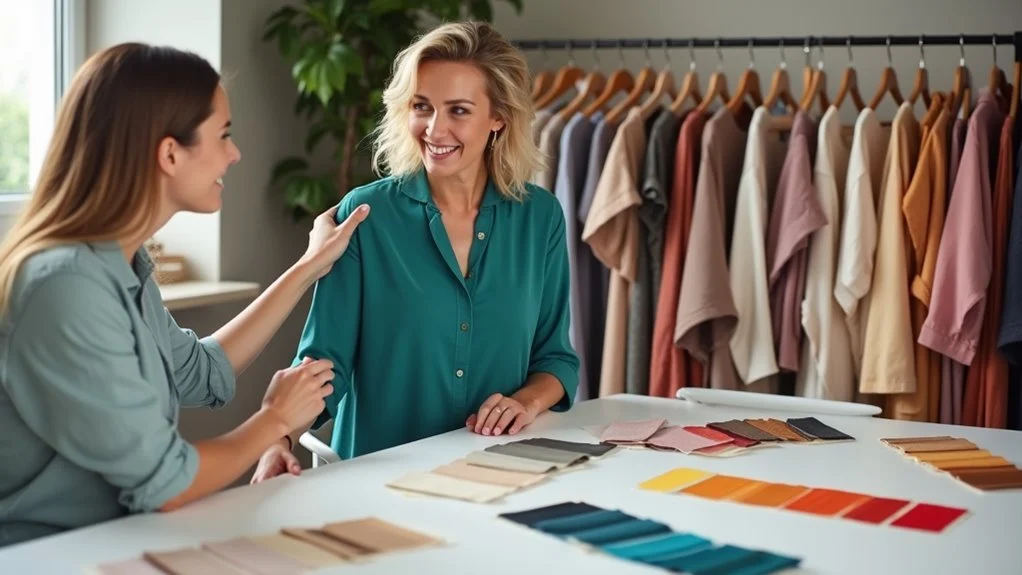
Kerry Leigh Wilson is a professional Image Consultant and the founder of New Look Image Consultancy. As the creator of the proprietary “Style Secrets” methodology, Kerry bridges the gap between Personal Branding and Color Science. Her approach is rooted in Genetic Balance, a data-driven framework that artfully blends Colour Theory with Anthropometry (the study of human body measurements) to achieve total visual harmony.
By analysing an individual’s phenotypic traits—including skin undertones, hair pigmentation, and eye colour—Kerry aligns natural aesthetics with Skeletal Silhouettes and body geometry. This innovative method moves beyond traditional styling, utilising Seasonal Colour Analysis and mathematical formulas to optimise an individual’s unique physical lines.
Based in South Africa, Kerry serves a local and global clientele through interactive technology and digital consultations. She maintains an active presence across major South African hubs, travelling between Cape Town, Port Elizabeth (Gqeberha), and Johannesburg to conduct in-person assessments, empowering clients to enhance their personal aesthetics through the intersection of science and art.