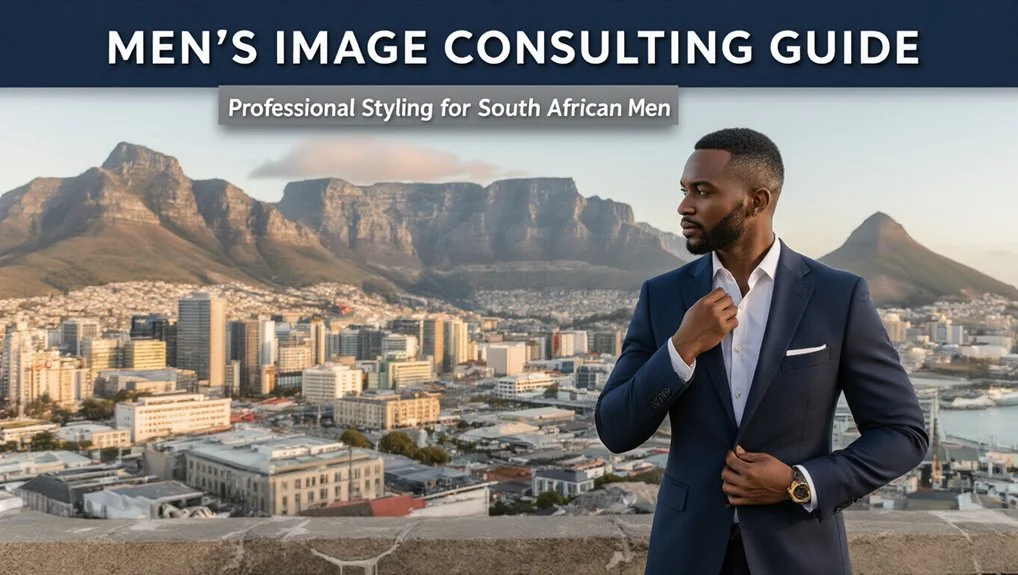

Wardrobe for Career Changes in South Africa
Dressing for the South African workplace doesn’t have to be complicated. While the country doesn’t have specific laws about what to wear to work, innovative companies create guidelines that respect everyone’s background and rights under the Employment Equity Act.
You’ll find many businesses welcome a mix of styles – think modern suits paired with vibrant African prints, or traditional accessories adding flair to corporate outfits.
It’s perfectly fine to wear religious items like hijabs or cultural jewellery at work.
Keep it simple – your outfit should help you do your job safely and look professional.
South Africa’s rich mix of cultures means there’s room for different interpretations of business wear. Some days you might go full corporate, while other times you can add traditional touches that reflect your heritage.
The key is finding that sweet spot between looking sharp and feeling comfortable in your workplace identity.
Whether you’re writing policies or picking out tomorrow’s outfit, remember that South African offices embrace professional diversity.
Companies just need to set clear, straightforward rules that make sense for their industry and respect everyone’s background. Once you understand these basics, you’ll find it’s pretty straightforward to dress appropriately for any South African workplace.
Key Takeaways
Want to nail your corporate dress code in South Africa? It’s actually pretty straightforward!
Your office outfits need to reflect both modern professionalism and our amazing cultural diversity. Feel free to rock your traditional African wear – it’s part of who we are!
If you’re working in banking or law, expect to dress up a bit more formally. But hey, if you’re in advertising or design, you can usually get away with smart-casual and add some cultural flair to your look.
Working with machinery or in construction? You’ll need to stick to those safety rules – no compromises there! Hard hats and safety boots aren’t just suggestions.
Got religious or cultural items you wear? Don’t stress – South African law’s got your back. Whether it’s your traditional headwrap or religious jewelry, companies need to make space for that in their policies.
Keep in mind that looking professional doesn’t mean giving up your identity. Mix and match traditional and modern styles – that’s what makes South African workplaces unique!
Legal Framework for Dress Codes
In South Africa, dress codes at work aren’t governed by one specific law, but rather fit into a bigger picture of workplace rules. Think of it as setting guidelines that make sense for your business while treating everyone fairly.
When creating your company’s dress code, you’ll want to keep things simple and clear. The Employment Equity Act has your back – it makes sure nobody faces unfair treatment based on what they wear to work.
Safety comes first in many industries. A factory might need steel-toed boots, while a retail store could ask for closed shoes. Whatever rules you set need to make practical sense for your business.
The South African fashion industry has shown that dress codes can be both professional and flexible. Many local companies now embrace a mix of traditional and modern workplace wear, creating comfortable environments where people can express themselves while staying professional.
Just remember – your dress code should help your business run smoothly while respecting everyone’s rights. Keep it reasonable, fair, and linked to actual work needs.
Cultural and Religious Considerations
South African workplaces are wonderfully diverse, bringing together people from many cultural backgrounds. When it comes to dress codes, it’s important to embrace this diversity. Traditional African clothing, like dashikis and doeks, adds vibrant energy to the workplace. Religious items such as hijabs, yarmulkes, and ceremonial jewelry hold deep meaning for many employees.
Creating an inclusive dress code starts with talking to your team. Listen to what matters to them. Some might wear specific items during cultural celebrations or religious holidays. Others may have daily practices that require certain clothing or accessories.
Smart companies find ways to blend professional standards with cultural expression. A good policy makes everyone feel valued while keeping things appropriate for work. Think practical – like allowing loose-fitting traditional garments in corporate colors or giving clear guidelines about acceptable ceremonial items.
The key is balance – maintaining professionalism while celebrating the rich heritage that makes South African workplaces unique. This approach helps build stronger teams and shows respect for our rainbow nation’s diversity.
Business Attire Standards
In South Africa, workplace dress codes blend global trends with local style. Banking and finance folks typically wear suits and ties, while tech companies keep it more casual. The general rule? Better to dress up than down when you’re starting out.
Summer here gets pretty warm, so lightweight fabrics work best. Many companies now embrace smart-casual options, especially in creative and digital fields. Yet traditional sectors like law and consulting still prefer formal business wear.
Local fashion experts suggest picking quality basics that work for your industry. A well-fitted blazer, crisp shirts, and polished shoes go a long way. Tech startups might be fine with neat jeans and a collared shirt, but keep it professional.
Remember to respect cultural elements in your choices. Some offices welcome traditional African prints and styles when tastefully incorporated into business wear. The key is finding that sweet spot between professional standards and practical comfort for our climate.
Enforcement and Compliance Protocols
South African companies handle dress code rules in their own way – there’s no single law that covers everyone. Think of it like each workplace setting its own guidelines that make sense for their business.
When you’re putting these rules in place, make sure they’re fair and don’t discriminate against anyone. The key is finding the right balance between your business’s needs and your employees’ personal rights.
If someone doesn’t follow the dress code, you’ll want to deal with it carefully. Any rules about what people can and can’t wear should have clear business reasons. For example, safety gear in construction or professional attire for client meetings.
Remember that South African employment laws protect workers from unfair treatment. Your dress code needs to fit within these laws while still meeting your company’s professional standards. It’s about being practical and respectful at the same time.
Stay flexible and open to feedback – what works for one workplace might not work for another. The goal is to create guidelines that help everyone feel comfortable while maintaining a professional environment.
Employee Rights and Responsibilities
When it comes to workplace dress codes in South Africa’s fashion industry, you’ve got three key rights worth knowing about. First, you can express yourself through your clothing while staying professional. Second, your cultural dress practices are protected. Third, you can wear religious items and clothing that matter to you.
Speaking up about dress code concerns is perfectly fine – just keep things respectful and workplace-appropriate. The fashion sector especially understands the importance of personal style and identity.
If someone discriminates against your clothing choices that align with these rights, you can take legal steps to address it. Many South African fashion houses and retailers have already updated their policies to be more inclusive.
When raising dress code issues, stick to clear policy violations rather than personal style preferences. This helps HR teams and managers take your concerns seriously and act on them effectively.
Think of it as finding the sweet spot between being true to yourself and fitting into your workplace culture. The South African fashion industry is evolving to embrace diversity while maintaining professional standards.
Smart Ways To Dress Like A Professional
Managing corporate dress codes in South Africa means finding smart ways to look professional while embracing our rainbow nation’s diversity. Think polished but practical – you want your work clothes to help you feel confident and comfortable.
South African offices typically welcome both modern business wear and traditional cultural dress, as long as it looks neat and put-together. Many local companies now take a flexible approach, moving away from rigid rules to focus on clean, professional presentation.
Want to nail the perfect work look? Keep it simple and sophisticated. A well-fitted suit, crisp shirt, or smart dress usually works well. Traditional attire like seshweshwe prints or detailed beadwork can add a wonderful local touch when styled appropriately.
The key is reading your workplace culture. Some Johannesburg financial firms still prefer formal suits, while Cape Town tech startups might be perfectly happy with smart-casual wear. When unsure, watch what successful colleagues wear or have a quick chat with HR.
Remember – your work clothes tell a story about you and your respect for others. By dressing thoughtfully, you help create an environment where everyone feels valued and professional.
FAQ: What People Also Asked
What Is the Business Dress Code in South Africa?
South African workplaces tend to keep things pretty formal when it comes to dress code. Men reach for suits paired with ties, keeping it classic and professional. Women often go with sharp business suits or smart dresses that mean business. The whole approach is about looking polished and put-together.
Think clean lines, quality fabrics, and a focus on appearing neat and well-groomed. South African business culture values a professional image, so it’s best to stick to traditional corporate wear that shows you take your role seriously.
The key is dressing in a way that commands respect while fitting into the local business environment. Unlike some countries where dress codes are relaxed, South Africa maintains its preference for formal business attire in most corporate settings.
What Are the 4 Types of Business Dress Code?
In South African business settings, you’ll typically see these main dress codes: formal business wear (think suits and formal dresses for corporate headquarters), smart-business attire (neat but not overly formal), business casual (comfortable yet professional), and casual professional (relaxed but still workplace-appropriate). These styles blend local fashion trends with international business standards while considering our warm climate and diverse workplace cultures

Kerry Leigh Wilson is a professional Image Consultant and the founder of New Look Image Consultancy. As the creator of the proprietary “Style Secrets” methodology, Kerry bridges the gap between Personal Branding and Color Science. Her approach is rooted in Genetic Balance, a data-driven framework that artfully blends Colour Theory with Anthropometry (the study of human body measurements) to achieve total visual harmony.
By analysing an individual’s phenotypic traits—including skin undertones, hair pigmentation, and eye colour—Kerry aligns natural aesthetics with Skeletal Silhouettes and body geometry. This innovative method moves beyond traditional styling, utilising Seasonal Colour Analysis and mathematical formulas to optimise an individual’s unique physical lines.
Based in South Africa, Kerry serves a local and global clientele through interactive technology and digital consultations. She maintains an active presence across major South African hubs, travelling between Cape Town, Port Elizabeth (Gqeberha), and Johannesburg to conduct in-person assessments, empowering clients to enhance their personal aesthetics through the intersection of science and art.