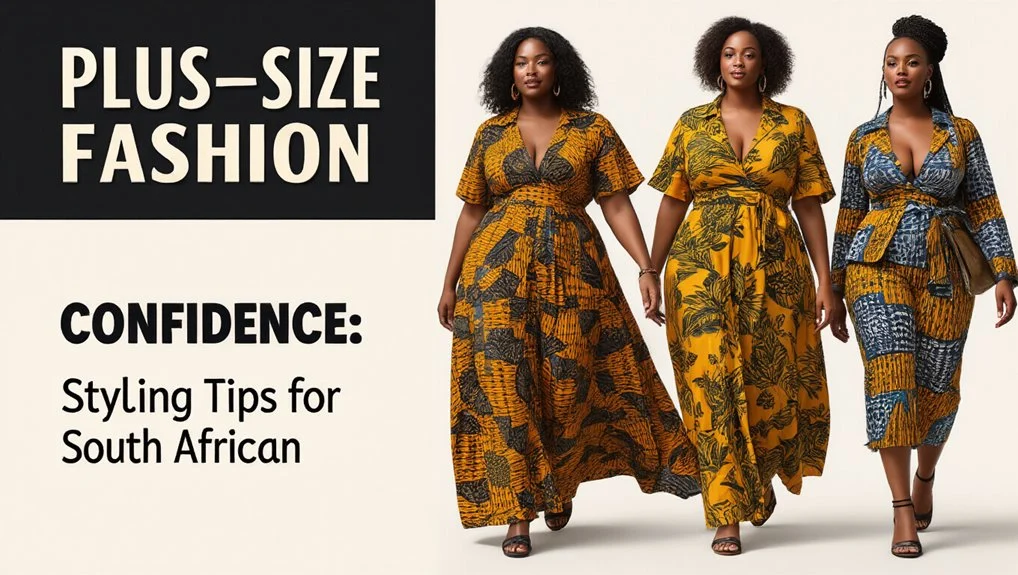
Transform your plus-size wardrobe with smart fashion choices. Princess seams create flattering lines that follow your natural curves. A-line silhouettes work well because they skim over hips without clinging.
Shweshwe fabric brings authentic South African style to any outfit. This traditional cotton textile features geometric patterns in blue, brown, and burgundy. Mix these bold prints with solid colors to avoid overwhelming your look. Pair a Shweshwe blouse with black trousers for balance.
Wide belts positioned above your natural waistline make legs appear longer. This styling trick creates better proportions by defining your most minor point. Choose belts in contrasting colors to add visual interest.
Pointed-toe shoes elongate your silhouette more than rounded styles. Nude tones work best because they match your skin and create an unbroken line from leg to foot. This makes you look taller instantly.
Fitted tops paired with structured bottoms create a polished appearance. Structured pieces hold their shape and provide support where you need it. This combination flatters most body types without sacrificing comfort.
Statement necklaces draw attention upward toward your face. Bold jewelry becomes a focal point that highlights your best features. Choose pieces with interesting textures or colors that complement your outfit.
South African fashion designers like Thula Sindi and David Tlale create pieces specifically for diverse body types. These designers understand local preferences and climate needs. Their collections often feature breathable fabrics suitable for warm weather.
Local boutiques in Johannesburg’s Sandton City and Cape Town’s V&A Waterfront stock plus-size ranges. These shopping centers offer international brands alongside local designers. Many stores provide personal styling services to help build your wardrobe.
Fabric choice affects how clothes fit and feel. Cotton blends breathe well in hot weather while maintaining structure. Jersey knits offer stretch and comfort for everyday wear. Avoid clingy materials that highlight areas you want to minimize.
Color blocking creates visual interest without patterns. Combine two solid colors in one outfit for a modern look. Dark colors on bottom with brighter shades on top balance proportions naturally.
Layering adds dimension to simple outfits. A blazer over a fitted dress changes the entire silhouette. Cardigans provide coverage while maintaining shape. Choose layers in complementary colors for the best effect.
Proper undergarments form the foundation of every great outfit. Well-fitted bras provide support and create smooth lines under clothes. Shapewear can smooth areas where needed but should never feel restrictive or uncomfortable.
Confidence comes from wearing clothes that fit properly and make you feel good. Take time to find your correct size in each brand since sizing varies. Invest in alterations to ensure perfect fit rather than settling for close enough.
In Summary
Tailored cuts work best for plus-size bodies in South Africa’s fashion scene. Princess seams create structure while A-line silhouettes skim your curves gently. These cuts avoid clinging fabric that can be unflattering.
Belt placement makes a big difference. Position your belt above your natural waistline. This trick creates the appearance of longer legs. Your hourglass shape gets better definition too.
Shweshwe fabric represents South African textile heritage perfectly. This traditional cotton material features geometric patterns in blue, brown, and red colors. Choose structured garments made from Shweshwe fabric. The firm weave provides shape while celebrating your cultural roots.
Footwear choices change your whole look. Pointed-toe shoes make your legs appear longer. Nude-coloured footwear creates a seamless transition from leg to foot. Statement necklaces draw eyes upward toward your face. These accessories work together to elongate your silhouette.
Balance creates flattering outfits. Pair fitted tops with flowing traditional skirts. Wrap dresses offer another great option. The fitted bodice shows your waist while the flowing bottom skims your hips. This combination honors African fashion traditions while complementing your natural curves.
South African fashion designers are well-versed in understanding local body types. They create pieces that work in the country’s climate and cultural settings. Look for brands that specialise in plus-size clothing within the South African market.
Mastering Tailored Cuts and Structured Silhouettes for Your Curves
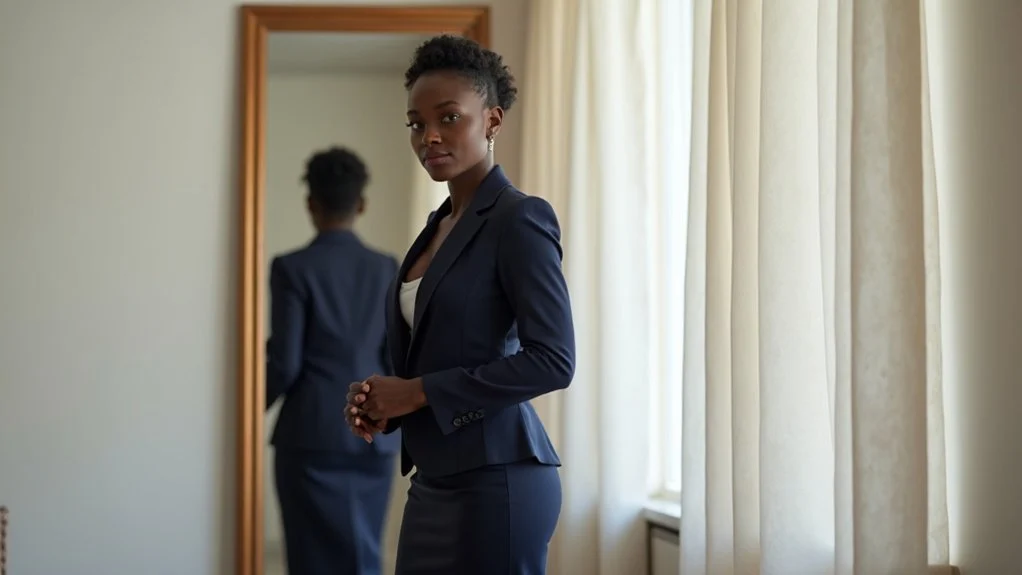
Finding clothes that fit your curves perfectly starts with understanding tailored cuts. South African fashion designers create structured silhouettes specifically for plus-size bodies. These local brands know how curves work.
Princess seams shape your torso naturally. Darts placed correctly smooth problem areas. These construction techniques target full busts and wider hips. The result creates balance across your frame.
Princess seams and strategic darts create balanced silhouettes that work with your natural curves, not against them.
Cotton blends hold their shape all day. Ponte fabric stretches without sagging. Both materials work well in South Africa’s hot climate. They breathe while maintaining structure. Ankara cotton provides comfort and style while embracing African heritage.
A-line dresses skim your body without clinging. High-waisted cuts create long lines from waist to hem. This silhouette works for most body types. The waistline sits at your natural narrowest point. Wrap dresses offer adjustable fits that flatter every body type by highlighting the waistline.
Strategic zipper placement affects how clothes lay. Side zippers reduce bulk at the back. Hidden zippers maintain clean lines. These details matter for professional looks.
South African fashion houses like Queenspark and Donna Claire design for local body types. Queenspark focuses on workplace clothing with structured blazers and tailored pants. Donna Claire creates occasion wear using princess seams and strategic draping. These brands understand unique South African body shapes through years of serving local customers.
Breathable fabrics suit South Africa’s climate zones. Coastal humidity requires different materials than inland heat. Choose natural fibers for summer months. Synthetic blends work during cooler seasons.
Structured shoulder pads balance wider hips. Defined waistlines create hourglass shapes. Strategic ruching hides problem spots. Each element serves a purpose in flattering your figure.
Quality construction shows in how seams lay flat. Professional pressing creates crisp edges. Proper interfacing maintains collar and lapel shapes. These finishing touches separate good tailoring from average clothing.
Fit adjustments make standard sizes work better. Taking in side seams improves silhouette. Hemming creates proper proportions. Local tailors understand South African body measurements.
Color blocking guides the eye strategically. Darker shades minimize areas you want smaller. Lighter colors highlight your assets. Prints should scale appropriately for your frame size.
Incorporating Bold Prints and Vibrant Colors With Cultural Pride
Structured Silhouettes Showcase South African Textile Heritage
Structured clothing designs provide the foundation for showcasing South Africa’s textile traditions. Plus-size fashion benefits from incorporating traditional African prints because these patterns celebrate cultural identity while flattering diverse body types. The fashion industry’s cultural shift in 2024 emphasizes celebrating diversity and inclusivity, transforming plus size clothing from an afterthought into a forefront of style innovation. Research shows that plus-size women in South Africa, defined as size 36 and above, actively seek clothing that reflects both their cultural heritage and personal style preferences.
Bold Pattern Combinations Build Confidence
African print mixing creates striking visual combinations. The Johannesburg Fashion Week runway demonstrates how designers layer different traditional patterns successfully. Cape Town-based stylist Nomsa Madida shows clients how to pair geometric Ndebele prints with flowing Shweshwe fabrics.
Color Psychology Enhances Personal Style
Bright colors influence how people perceive themselves and others. Red symbolizes strength in Zulu culture, while yellow represents prosperity in Xhosa traditions. These saturated hues draw attention to preferred body areas while honoring ancestral meanings. Fashion serves as a powerful tool for empowering confidence and allows individuals to express their authentic selves through carefully chosen colors and patterns.
Contemporary Designers Blend Innovation with Tradition
South African fashion house Laduma Ngxokolo creates modern knitwear using Xhosa beadwork patterns. Designer Thabo Makhetha combines traditional Sotho blanket designs with contemporary cuts for plus-size collections. These approaches merge cultural respect with current fashion trends.
Cultural Pride Transforms Fashion Perceptions
Wearing culturally significant designs challenges outdated plus-size fashion assumptions. South African influencer Gert-Johan Coetzee promotes body positivity through his traditional-inspired collections. Fashion blogger Lesego Legobane demonstrates how heritage prints empower personal expression.
Market Growth Supports Cultural Fashion****
The South African fashion industry generates R50 billion annually according to the Clothing and Textile Federation of South Africa. Local designers increasingly focus on plus-size segments using traditional elements. This market expansion creates opportunities for cultural fashion representation.
Styling Tips for Cultural Print Integration****
Start with one statement piece featuring traditional African prints. Add solid colors that complement the print’s dominant hues. Mix textures like cotton Shweshwe with modern jersey fabrics. Balance proportions by pairing fitted tops with flowing bottoms or vice versa.
Creating Balanced Proportions Through Strategic Accessories and Footwear

South African heritage prints pack visual punch through bold patterns and vibrant colors. Accessories and footwear work as building blocks that shape how your body looks.
Belt Positioning Creates Shape
Wide belts positioned slightly above your natural waistline make legs appear longer. This placement defines your waist and creates curves. The technique works for all body types by forming an hourglass silhouette.
Belt placement above your natural waistline instantly lengthens legs and creates an hourglass silhouette.
Footwear Changes Your Look
Pointed-toe shoes extend the visual line of your legs. Nude-colored footwear creates one smooth line from hips down to the floor. Comfort matters too. Look for cushioned insoles and adjustable straps that feel good all day.
Necklaces Balance Your Frame
Statement necklaces pull attention upward. This draws eyes away from wider hip areas. The vertical focus balances your overall appearance.
Handbags Add Structure
Structured handbags bring polish to any outfit. Choose bags that complement rather than overwhelm your body frame. The right bag enhances your silhouette without adding bulk.
Color Strategy Works
Nude tones in shoes create seamless lines. This color choice makes legs look longer by removing visual breaks. The unbroken line flows from clothing to footwear. Plus size clothing collections offer extensive color options from Black to Royal Blue, ensuring you can find the perfect nude tones to match your skin tone.
Waist Definition Matters
Proper belt placement above your natural waist creates instant leg length. This positioning trick works because it raises the visual starting point of your legs. Your proportions shift to favor length over width. Fashion brands focused on plus size fit understand how crucial waist definition is for creating flattering silhouettes.
South African fashion designers often use these techniques in their collections. Local brands understand how accessories transform basic heritage print garments into polished looks. With 128 mid-range items available between $20-$40, you can build a complete accessory collection without breaking your budget.
Blending Traditional South African Elements With Contemporary Fashion Trends
Blending Traditional South African Elements With Contemporary Fashion Trends****
South African fashion brings together rich cultural heritage with modern plus-size styling techniques. This fusion creates flattering looks that honor traditional craftsmanship while celebrating contemporary body positivity.
Shweshwe Fabric Integration
Shweshwe fabric, a distinctive cotton textile featuring geometric patterns and indigo-based dyes, originated from European trade relationships in the 19th century. This traditional South African material now defines modern wardrobe essentials through structured silhouettes.
Contemporary designers transform Shweshwe patterns into A-line skirts that create waist definition. The fabric’s natural stiffness provides shape without clinging to curves. Pair these pieces with fitted tops in complementary colors.
Strategic Beadwork Application
Traditional South African beadwork, known as “amasumpa” in Zulu culture, communicates cultural messages through color combinations and patterns. Modern fashion adapts this craft for strategic accent placement.
Beaded necklaces draw attention upward toward the neckline. Statement earrings frame the face while avoiding bulk around the midsection. Beaded belts define the waist without overwhelming petite frames.
Ndebele-Inspired Print Mixing
The Ndebele people of South Africa developed distinctive geometric wall art featuring bold triangles, diamonds, and linear patterns in vibrant colors. Fashion designers now translate these motifs into wearable prints.
Mix Ndebele-inspired patterns with solid colour foundations. Choose printed tops with plain bottoms for visual balance. Geometric prints elongate the torso when positioned vertically along seam lines.
Updated Umbhaco Styling
Umbhaco refers to traditional Zulu ceremonial dress featuring wrapped fabric elements and fitted bodices. Contemporary fashion reinterprets these wrapping techniques using stretch materials. The evolution of African textiles includes modern fibers like cotton blends and synthetic materials that enhance comfort while maintaining cultural authenticity. Xhosa married women traditionally complete their umbhaco attire with decorative beads that signify their marital status.
Modern wrap dresses incorporate umbhaco-inspired silhouettes with jersey knits and spandex blends. These fabrics provide comfort while maintaining the traditional wrapped aesthetic. Adjustable ties allow customised fit preferences.
Cultural Fashion Authority
South African designers like Thula Sindi and David Tlale demonstrate how traditional elements enhance contemporary plus-size fashion. Their collections showcase cultural pride through accessible, flattering designs that respect ancestral craftsmanship while meeting modern lifestyle needs. Indian South Africans in Durban often incorporate embroidered saris into fusion fashion, blending traditional ceremonial wear with contemporary Western silhouettes.
Answers to Your Questions
Where Can I Find Affordable Plus-Size Clothing Stores in South Africa?
Finding affordable plus-size clothing in South Africa becomes easier when you know where to look. Several local retailers specialize in extended sizes while keeping prices reasonable.
Eagle Clothing operates as a South African retail chain focusing on budget-friendly fashion options. This store stocks sizes ranging from 38 to 60, making it accessible for various body types. Eagle Clothing maintains physical locations across multiple provinces, allowing customers to try on garments before purchasing.
LeeBex functions as another local boutique retailer serving the plus-size market in South Africa. LeeBex offers clothing sizes 38 through 60, similar to Eagle Clothing’s size range. This boutique provides personalized service and curated selections for customers seeking fashionable options.
Online shopping presents additional opportunities for plus-size fashion enthusiasts. Bash operates as a South African e-commerce platform specializing in trendy clothing for larger sizes. Bash frequently runs promotional campaigns and discount codes, reducing overall costs for shoppers.
Curvy Sense serves as an online retailer targeting plus-size consumers specifically. This digital platform ships to South African addresses and offers contemporary styles. Curvy Sense provides size charts and detailed product descriptions to help customers make informed choices.
Local community needs drive these retailers’ business models. Each store recognizes the gap in affordable plus-size fashion within South Africa’s retail landscape. These businesses work to address sizing limitations found in mainstream clothing stores.
Shopping strategies can help maximize value when purchasing plus-size clothing. Sign up for newsletters from these retailers to receive early notifications about sales events. Follow their social media accounts for flash discounts and seasonal promotions.
Physical store visits allow for proper fitting, which proves especially important for plus-size shoppers. Online purchases should include checking return policies before completing transactions. Many South African retailers offer exchange programs for sizing issues.
How Do I Determine My Correct Plus-Size Measurements for Online Shopping?
Getting your measurements right makes online plus-size shopping much easier. South African fashion retailers like Edgars and Woolworths use different sizing charts, so accurate measurements become your shopping superpower.
Essential Measurement Tools
You need a flexible measuring tape. The soft fabric kind works best – not the metal tape from your toolbox. Find a full-length mirror too. Ask someone to help if possible. Two people get better results than measuring alone.
Key Body Measurements for Plus-Size Shopping
Your bust measurement goes around the fullest part of your chest. Keep the tape parallel to the floor. Don’t pull tight – the tape should sit snug without pinching.
Waist measurements happen at your natural waistline. This sits above your belly button, where your torso bends when you lean sideways. Many people measure too low here.
Hip measurements cover the widest part of your hips and bottom. Stand with feet together. The tape goes around your body at this widest point.
South African Plus-Size Brand Variations
Jet Stores sizing differs from Ackermans sizing charts. Pick ‘n Pay Clothing follows European measurements while Mr Price uses their own system. Each retailer displays size guides on their website product pages.
Foschini Group brands include Donna Claire and Addition Elle – both use consistent measurements across their plus-size ranges. Truworths sizing tends to run smaller than their stated measurements.
Cross-Referencing Size Charts
Write down your three measurements before shopping. Open each retailer’s size guide in a separate browser tab. Compare your numbers to their specific chart – not general South African sizing.
Some brands list garment measurements instead of body measurements. Garment measurements show the actual clothing dimensions. Add ease allowance for comfortable fit.
Common Measurement Mistakes
Measuring over thick clothing skews your numbers. Wear fitted undergarments only when measuring. Pulling the tape too tight gives false readings that lead to ordering clothes too small.
Taking measurements when bloated or after meals affects accuracy. Measure at the same time of day for consistency across shopping sessions.
Online Shopping Success Tips
Read customer reviews for sizing feedback. Previous buyers often mention if items run large or small. Look for reviewers with similar measurements to yours.
Check return policies before ordering. Superbalist and Zando offer free returns on unworn items. This safety net lets you order multiple sizes when unsure.
Your measurements change over time. Update them every few months for continued shopping success with South African online retailers.
What Are the Best Fabrics for Plus-Size Clothing in Hot Weather?
Breathable fabrics work best for plus-size clothing in hot South African weather. Linen stands out as the top choice because it allows maximum airflow through its loose weave structure. This natural fiber comes from flax plants and provides excellent ventilation properties.
Cotton offers another solid option for hot climate dressing. The fiber absorbs moisture from skin while allowing air to move freely through the fabric. Cotton’s natural composition makes it gentle against skin during extended wear periods.
Bamboo fabric delivers moisture-wicking capabilities that surpass traditional materials. This sustainable fiber pulls sweat away from your body and releases it into the air quickly. Bamboo also contains natural antibacterial properties that prevent odor buildup.
Lightweight cotton blends combine the benefits of pure cotton with added stretch or moisture management features. These fabrics maintain breathability while offering improved fit and comfort for active lifestyles.
Local South African fashion brands like Woolworths and Mr Price stock these breathable fabric options in their plus-size ranges. These retailers understand the climate demands and source materials accordingly.
Modal fabric represents another breathable choice made from beech tree pulp. This semi-synthetic material feels soft against skin while maintaining excellent airflow properties. Modal resists shrinking and holds its shape after multiple washes.
Avoid synthetic fabrics like polyester or nylon in hot weather. These materials trap heat and moisture against your skin, creating discomfort throughout the day.
Choose loose-fitting garments regardless of fabric type. Tight clothing restricts air circulation and increases heat retention around your body. Well-fitted clothing allows air to move freely while providing appropriate coverage.
Consider fabric weight when shopping for hot weather clothing. Lighter weight materials provide better ventilation than heavy fabrics, even when made from the same fiber type.
Which South African Plus-Size Fashion Influencers Should I Follow for Inspiration?
Two South African fashion influencers lead the plus-size style movement with powerful content. Lesego Legoeane operates the Instagram account @thickleeyonce, where she posts daily outfit inspiration and body confidence messages. Legoeane works as a content creator based in Johannesburg, South Africa, focusing on accessible fashion for curves.
Fattywithabrackiie represents another major voice in South African plus-size fashion influence. This content creator shares styling tutorials and promotes local clothing brands that cater to larger sizes. The influencer collaborates with South African fashion retailers to showcase affordable options.
Both creators address common styling challenges for plus-size women. They demonstrate how to mix patterns, choose flattering cuts, and accessorize outfits effectively. Their content helps followers build confidence while discovering new brands and styling techniques.
These influencers partner with South African fashion companies to promote inclusive sizing. They attend local fashion events and share behind-the-scenes content from photoshoots. Their platforms connect followers with emerging designers who create plus-size collections.
Following these accounts provides access to real styling advice from people who understand the South African fashion market. They feature clothing available locally and share honest reviews of different brands. Their content includes both budget-friendly finds and investment pieces.
How Do I Care for and Maintain Structured Plus-Size Garments?
Caring for structured plus-size garments requires specific maintenance steps. These clothing pieces need careful handling to preserve their shape and support features.
Washing Structured Garments
Turn garments inside out before placing them in the washing machine. This protects external fabric surfaces and decorative elements from wear. Use cold water settings to prevent fabric shrinkage and color fading.
Select mild detergents without bleach or fabric softeners. Harsh chemicals break down elastic fibers and underwire support systems found in structured clothing. Hand washing works best for delicate structured pieces like blazers with internal boning or dresses with built-in shapewear.
Drying Methods
Air drying preserves garment structure better than machine drying. Lay structured pieces flat on clean towels to maintain their original shape. Hanging wet structured garments causes stretching and distorts internal support elements.
Avoid direct sunlight when air drying. Heat damages elastic components and fades fabric colors. Indoor drying takes longer but protects garment integrity.
Storage Solutions
Proper hangers maintain structured garment shape during storage. Padded hangers distribute weight evenly across shoulder seams and prevent fabric stretching. Wire hangers create pressure points that damage structured elements.
Store blazers and structured jackets with space between other garments. Overcrowded closets compress internal padding and cause permanent creasing. Garment bags protect structured pieces from dust and moisture.
Professional Care Options
Dry cleaning suits expensive structured garments like formal blazers and evening wear. Professional cleaners understand how to handle internal boning, underwire systems, and specialty fabrics safely. Check care labels before choosing cleaning methods.
Some South African fashion retailers offer specialized care services for plus-size structured garments. These services understand the unique construction methods used in supportive clothing designs.
The Bottom Line
You’ve discovered styling methods that work for your body and celebrate who you are. These techniques help you look great while honoring your South African heritage. Fashion should make you feel amazing in your own skin.
Mix current trends with traditional patterns from your culture. The South African fashion industry offers unique prints that tell stories. Designers like Thabo Makhetha create pieces that blend modern cuts with cultural elements.
Balance eye-catching prints with simple basics. A bright Shweshwe print top pairs well with plain dark pants. This creates visual interest without overwhelming your look.
Choose accessories that reflect your personality. Statement jewelry from local artisans adds character to any outfit. South African designers often use materials like wire, beads, and leather in their work.
Your style journey goes beyond clothing choices. It connects you to your roots while expressing your individual taste. The local fashion scene supports this connection through brands that understand body diversity.
Shop from retailers that cater to plus-size women. Stores like Edgars and Mr Price offer extended size ranges. Many South African fashion weeks now feature plus-size models who showcase these options.
Tailored clothing makes the biggest difference in how you look and feel. Find a local tailor who understands your body type. They can adjust garments to fit your curves properly.
Traditional South African garments inspire modern plus-size fashion. The flowing lines of traditional dresses translate well to contemporary designs. Local fashion schools teach students to create clothes that honor this heritage while meeting current needs.
Your confidence grows when your clothes fit well and reflect your identity. South African fashion culture embraces diversity in body types and personal expression. This creates space for you to develop your unique style without apology.
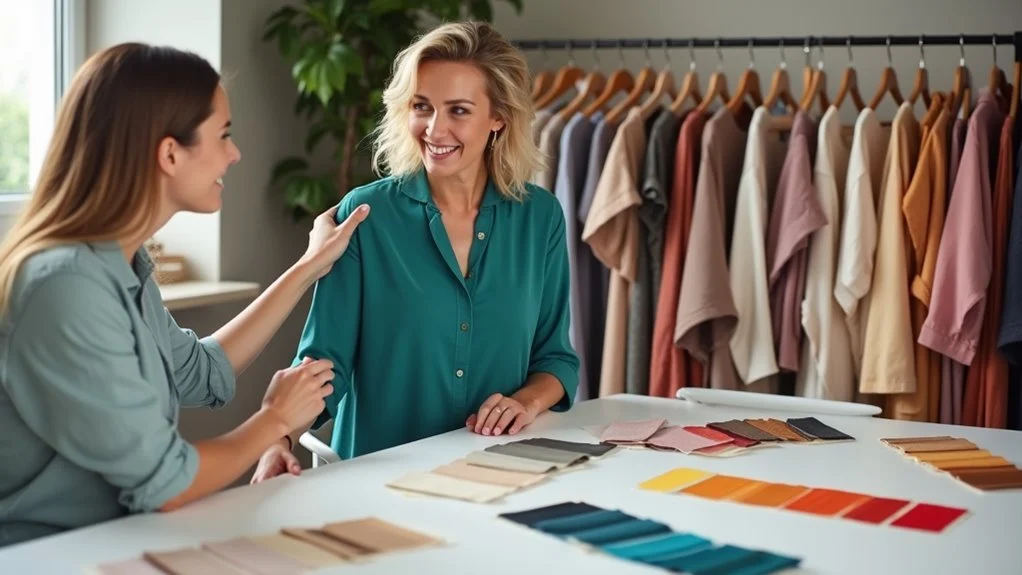
Kerry Leigh Wilson is a professional Image Consultant and the founder of New Look Image Consultancy. As the creator of the proprietary “Style Secrets” methodology, Kerry bridges the gap between Personal Branding and Color Science. Her approach is rooted in Genetic Balance, a data-driven framework that artfully blends Colour Theory with Anthropometry (the study of human body measurements) to achieve total visual harmony.
By analysing an individual’s phenotypic traits—including skin undertones, hair pigmentation, and eye colour—Kerry aligns natural aesthetics with Skeletal Silhouettes and body geometry. This innovative method moves beyond traditional styling, utilising Seasonal Colour Analysis and mathematical formulas to optimise an individual’s unique physical lines.
Based in South Africa, Kerry serves a local and global clientele through interactive technology and digital consultations. She maintains an active presence across major South African hubs, travelling between Cape Town, Port Elizabeth (Gqeberha), and Johannesburg to conduct in-person assessments, empowering clients to enhance their personal aesthetics through the intersection of science and art.